As AI transforms how industries run, how procurement is managed, how supply chains respond, and how performance is measured; away-from-home environments aren't immune.
Articles and Insights
How AI is Shaping the Future of Hygiene from Volume to Intelligence
The shift is already underway across all end-user verticals: hygiene is moving from "stock-and-check" routines to systems that learn, predict, and respond.
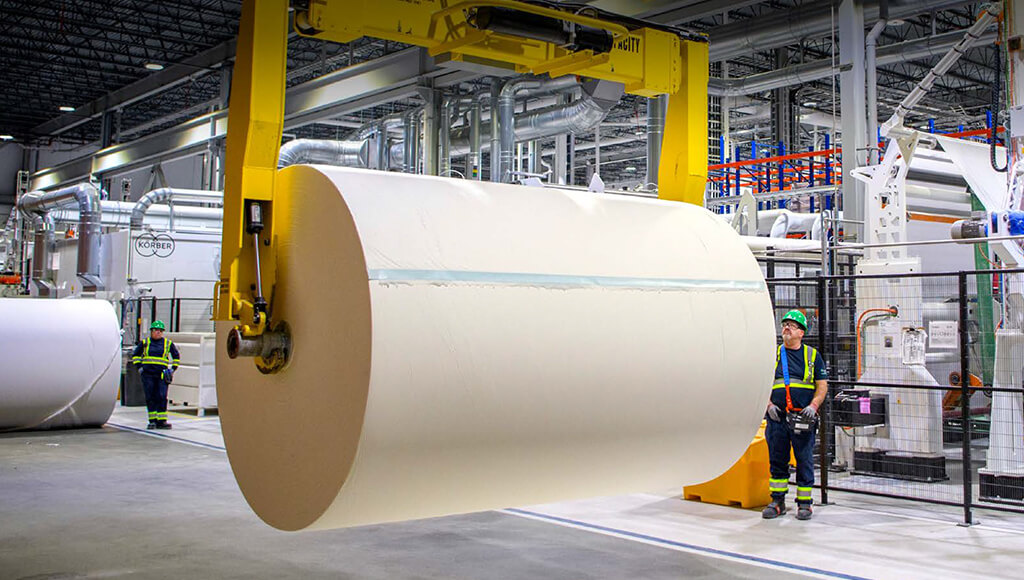
That change matters because hygiene is one of the most visible operational proofs a facility offers. People don't evaluate a building by the sophistication of its back-of-house planning, they evaluate it in a moment: Is the washroom stocked? Does it feel clean? Does it work? AI helps teams protect that moment by connecting service decisions to what's happening in the building right now, not what the schedule assumed would happen.
This is where the opportunity becomes practical. When demand is dynamic, fixed refill cycles create two expensive outcomes: run-outs that damage perception and over-servicing that wastes product, labour, and time. AI-enabled facilities management is increasingly being used to reduce both, aligning paper, staffing, and cleaning effort with real traffic patterns and real need.1
From refill schedules to real-time action
AI is changing hygiene management because it helps facilities align product consumption with what's actually happening in the building. Instead of relying on a schedule alone, more teams are using AI inputs, such as occupancy, zone usage, and dispenser status, to determine when and where attention is needed. This shift is visible in how "on-demand" cleaning is being designed: occupancy sensors can help teams prioritize the right spaces at the right time, while supporting privacy-first approaches that avoid capturing personal identity.2
The result is a more responsive system, one that treats hygiene as a live operating condition rather than a checklist.
What this means for paper products
This evolution has a direct impact on paper products because it shifts paper towels, bath tissue, wipers and napkins from a static restock item to a dynamic part of service reliability and cost-in-use. The day-to-day challenge in work or social high-traffic environments has always been the same: avoid run-outs and over consumption without over-stocking. AI-supported systems help reduce all three.
Connected dispenser and smart washroom solutions now exist that use real-time data to show traffic levels and refill needs, so teams can focus their time where it matters most. When facilities can predict demand and see exceptions early, they can reduce the "empty dispenser" moments that shape how people judge a space. They can also avoid unnecessary replenishment that creates waste, excess inventory movement, and extra labour.

Why AI is gaining momentum now
Two forces are pushing AI adoption toward a tipping point. First, return-to-office mandates and shifting workplace patterns are making building usage less predictable, which increases the value of live insight versus a fixed schedule. Second, facilities teams are under pressure to do more with less. In JLL's Global State of Facilities Management Report 2025, 84% of facility management leaders cite budget constraints and escalating operational costs as their primary concern.1 And in the commercial janitorial sector, a 2025 survey cited by CleanLink found 61% of janitorial companies identify labour shortages as a major obstacle to growth.2
AI is not replacing frontline teams. It's helping them spend time where it makes a difference: the busiest washrooms, the highest-volume break areas, work stations, and the locations most likely to generate complaints if standards slip.
Where integrated solutions fit in
Once hygiene becomes demand-based, consistency matters even more. Product quality, dispenser compatibility, and supply reliability determine whether a "smart" program actually performs under pressure.
Kruger Products is becoming a leader in AI integration, we're investing in our own capabilities and operations to help lead the way for our distributor and direct customers. Through the implemented AI-enabled twin of our supply chain we've been able to use real-time data to improve product quality, boost operational efficiency, and reduce waste, capabilities that Kruger is expanding to additional manufacturing sites. Contributing to the development of skills, knowledge, and expertise in the field will benefit the entire industry as we move toward an AI enabled transformation.
The takeaway:
AI is helping facilities align hygiene consumption with real-time occupancy, behaviour patterns, and cleaning needs - shifting the category from volume and routine to insight and responsiveness. With the right partners, that intelligence becomes practical: keeping spaces reliably stocked, consistently clean, and operationally efficient without adding complexity for frontline teams. Kruger PRO is supporting this shift by combining dependable product performance with the operational expertise and supply-chain capabilities that help facility managers turn smart, data-driven hygiene into everyday reality.
1 Supply & Demand Chain Executive
2 CleanLink — Winning the Battle Against Labor Shortages

